
Resources
Team Play and Communication Guide
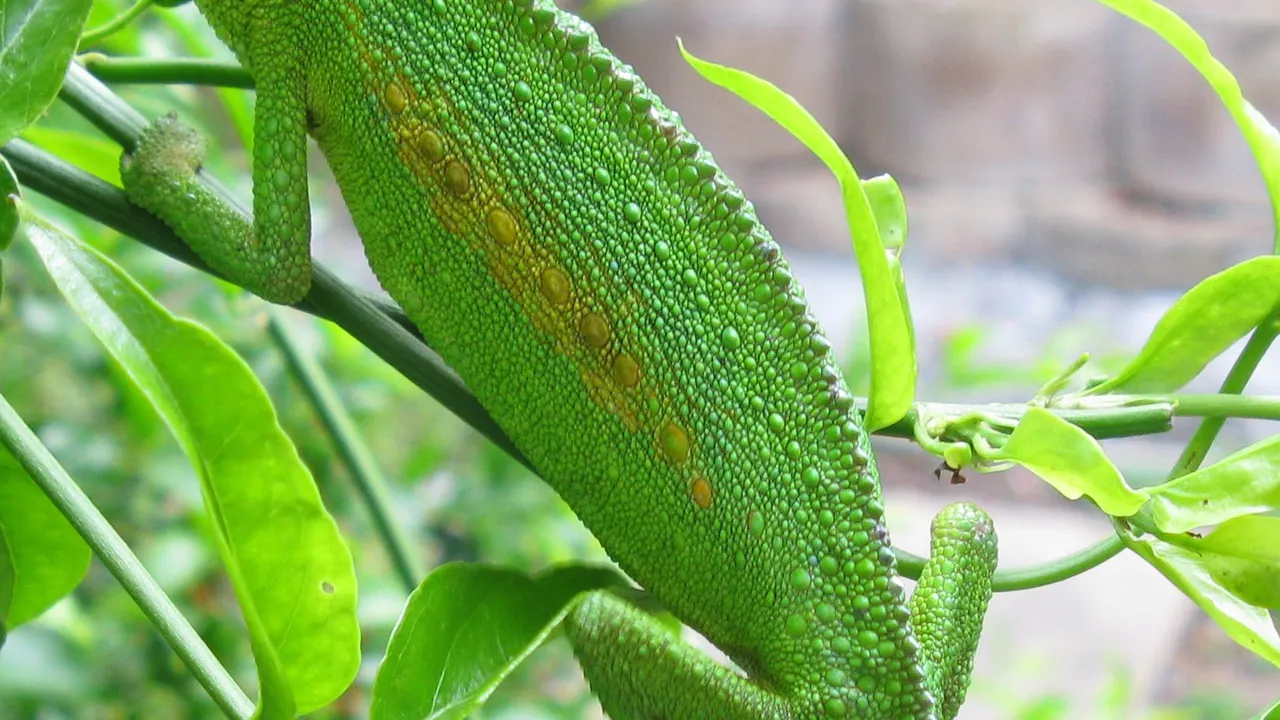
Spacing, shared spots, decoys and quiet signals: how teams of hiders win together.
Introduction
Hiding feels solitary, but rounds are won by teams. When hiders spread intelligently, share information and avoid each other's mistakes, the seeker's job multiplies. This guide covers team play for groups who found Meccha Chameleon through Meccha Chameleon APK for Android and want their coordination to match their individual skill.
None of these tactics require voice chat or complicated plans. They are habits: where to stand relative to teammates, what to report, and when to sacrifice a position for the group.
Spacing: The First Team Skill
The most common team failure is clustering. Friends hide together because it feels social, then get found together because three outlines in one corner advertise themselves. Agree before the round: one hider per zone, no exceptions, however good the corner looks.
Good spacing also protects information. When a seeker finds one hider in a clustered group, they learn three positions. When hiders are spread, a capture teaches the seeker almost nothing about the rest of the map. The multiplayer guide makes the same argument from the seeker's side.
Sharing Spot Knowledge Between Rounds
Between rounds, trade one fact each: a spot that survived, a route the seeker always takes, a corner that turned out to be exposed. Short, specific reports build a shared map that no player could assemble alone.
Keep a team shortlist of premium spots per map and assign them rather than racing for them. Assigned spots end the spawn scramble where two teammates arrive at the same corner and one has to flee late.
Decoys and Sacrifice Plays
When a seeker closes in on a teammate's area, a distant hider can sometimes draw attention with a brief, visible move across a far doorway, then vanish into a prepared second spot. The seeker faces a choice, and either choice costs them time.
Sacrifice plays only work when the decoy has a genuine escape prepared, and they should be rare. Used once, late in a round, a decoy can save two teammates. Used constantly, it just feeds the seeker free captures, a mistake the advanced tips guide calls the hero trap.
Quiet Communication During the Round
During rounds, communicate the minimum: seeker location and direction, in as few words as possible. Long callouts distract the whole team at the moment stillness matters most. Agree on short codes for areas of each map so one word carries a full position.
If your group plays without voice, use pre-agreed signals: a quick crouch pattern or a marked route. Simple signals given calmly beat detailed plans that collapse under time pressure.
Teams should also agree what happens after a capture. A found player who keeps reporting seeker positions gives the remaining hiders live information, which turns a loss for one player into an advantage for everyone still hidden.
Frequently Asked Questions
Clustering. Hiding beside friends feels safe but multiplies outlines in one place. Spreading one hider per zone is the single biggest team improvement most groups can make.
Seeker position and direction, briefly. Short agreed codes for map areas let one word do the work of a sentence, so nobody breaks concentration at the wrong moment.
Late in a round, when a seeker is closing on a teammate and the decoy has a prepared escape. Used rarely and late, it trades one player's risk for the team's time. In Meccha Chameleon, one late decoy has decided more close rounds than any hiding spot.
Conclusion
Team hiding is mostly discipline: spread out, share one useful fact per round, assign the good spots, and save heroics for the single moment they can change a result.
Groups that adopt these habits stop losing rounds they should have won, and individual skill finally gets the support it deserves. Teams that hide this way make Meccha Chameleon feel like a different game, one where the seeker is outnumbered in information as well as in players.
Related Guides
Meccha Chameleon Solo Practice Guide: Train Before You Compete
Use solo practice in Meccha Chameleon to learn maps, test hiding spots and build patience before multiplayer matches. A complete Android training guide.
Best Hiding Spots in Meccha Chameleon and How to Pick Them
What makes a hiding spot great in Meccha Chameleon? Learn the five qualities of a reliable spot, how to read a room, and when to abandon a position.
Meccha Chameleon Seeker Guide: How to Spot Hidden Players
Playing the seeker in Meccha Chameleon? Learn systematic room sweeps, outline reading and endgame hunting techniques that find hidden players reliably.