
Resources
Solo Practice Guide: Train Before You Compete
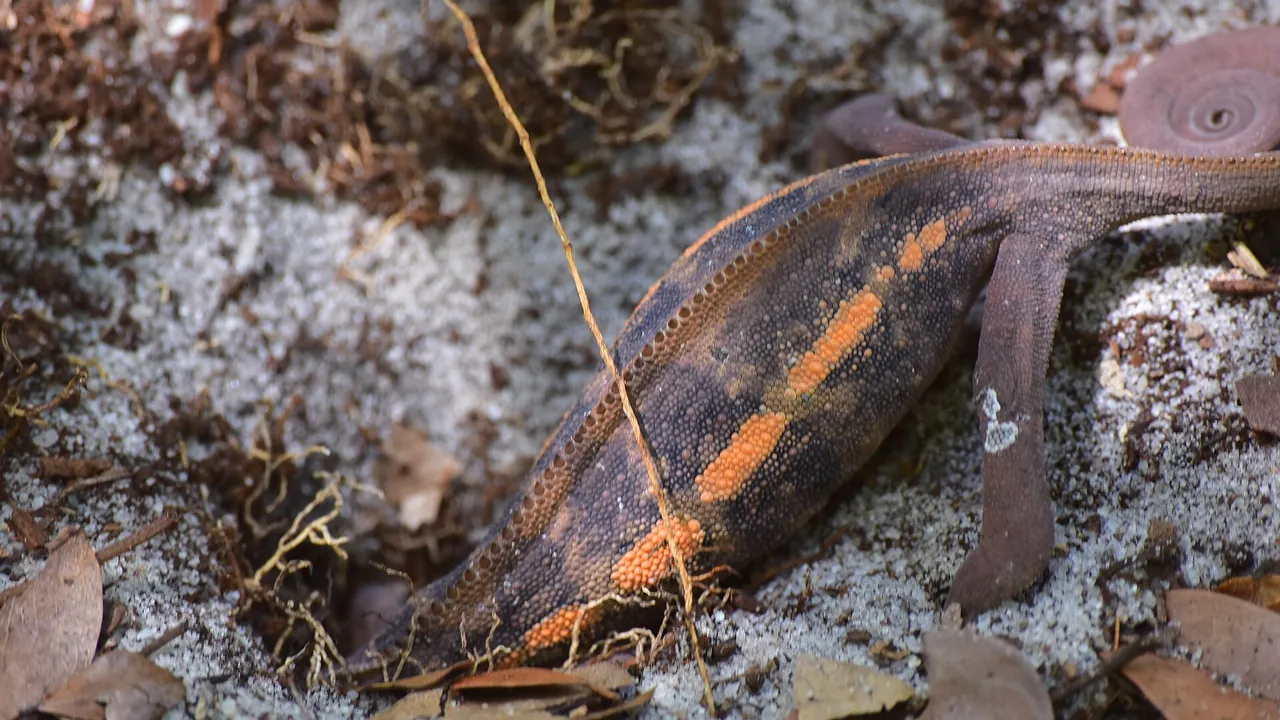
Learn how solo practice sessions build map knowledge, patience and camouflage instincts before you face real seekers.
Introduction
Solo practice is the fastest way to improve at this game without the pressure of a live match. When nobody is hunting you, every corner of a map becomes a classroom: you can test sight lines, time your movements and learn exactly which surfaces your character blends with. Players who start from Meccha Chameleon APK and spend their first sessions exploring alone usually progress far quicker than players who jump straight into competitive lobbies.
This guide explains how to structure solo sessions so they actually transfer to real matches. You will learn how to scout a map systematically, how to grade a hiding spot before you trust it, and how to rehearse the patience that wins rounds when a seeker walks straight past you. All you need is the game itself and a quiet half hour: Meccha Chameleon rewards players who study it, and solo sessions are where that study happens.
Why Solo Practice Works
In a live match, your attention is split between the seeker, the timer and your own nerves. Solo practice removes two of those pressures, which leaves your full attention on the environment itself. That focus is what turns a confusing map into a familiar one, and familiarity is the single biggest advantage a hidden player can have.
Practice also lets you fail cheaply. A spot that looks perfect can turn out to be exposed from a doorway you never checked, and discovering that in training costs nothing. Our beginner tips guide makes the same point for new players: learn the expensive lessons where they are free.
Scouting a Map Systematically
Walk each map in a fixed pattern rather than wandering. Start at the spawn area, move along the walls, and note every object your character can stand beside, crouch behind or climb onto. Then cross the open spaces and look back at those objects from the seeker side of the room, because a hiding spot is only ever as good as it looks from the doorway.
Pay special attention to lighting. Bright areas expose outlines, while shadowed corners forgive small mismatches in colour. The camouflage strategies guide explains how light changes what the seeker actually sees, and solo sessions are the best place to verify those ideas with your own eyes.
Grading a Hiding Spot Before You Trust It
Give every candidate spot a simple grade. Check it from three angles: the main entrance, the most common patrol route, and above, if the map has stairs or balconies. If your outline breaks the pattern of the background from any of those angles, the spot is a backup, not a primary.
Also grade the escape. A perfect spot with no exit becomes a trap the moment a seeker slows down nearby. The best spots have a quiet route away that does not cross open floor, so you can relocate without ever being fully visible.
Rehearsing Patience and Stillness
Most hidden players are caught because they moved, not because their spot was bad. In solo practice, rehearse stillness directly: pick a spot, start a timer, and stay completely still for the full length of a real round. The discipline feels dull in training and priceless in a match.
While you wait, practise reading the room. Note which objects a seeker would check first and which they would walk past. That reading skill is what later lets you choose spots that seekers unconsciously skip.
A Simple Weekly Practice Routine
Two short sessions a week beat one long one. Use the first session to scout one map thoroughly and grade its spots. Use the second to replay your best three spots under a timer, then take what you learned into real matches and note which spots survived contact with actual seekers.
Keep a short list on your phone: map name, spot, grade, and what happened when you used it live. Within a few weeks you will own a personal atlas of reliable positions that no generic guide could give you.
Frequently Asked Questions
Yes. Solo sessions build the map knowledge and patience that decide most rounds. Skills learned alone, such as grading hiding spots and reading sight lines, transfer directly to multiplayer matches.
Twenty to thirty minutes is enough for one map. Short, focused sessions where you scout one area completely teach more than long sessions where you wander across every map without a plan.
Start with stillness and spot grading. Learn to stay motionless for a full round, and learn to judge a hiding spot from the seeker side of the room before you trust it in a match. In Meccha Chameleon, those two habits win more early rounds than any advanced technique.
Conclusion
Solo practice turns guesswork into knowledge. A player who has scouted a map alone knows which corners forgive mistakes, which doorways expose outlines, and which spots seekers habitually ignore.
Build the routine into your week, keep notes on what survives real matches, and your hiding will steadily become the hardest problem the other team has to solve. Practised this way, Meccha Chameleon stops feeling like a lottery of hiding places and starts feeling like a craft you are genuinely learning.
Related Guides
Best Hiding Spots in Meccha Chameleon and How to Pick Them
What makes a hiding spot great in Meccha Chameleon? Learn the five qualities of a reliable spot, how to read a room, and when to abandon a position.
Meccha Chameleon Seeker Guide: How to Spot Hidden Players
Playing the seeker in Meccha Chameleon? Learn systematic room sweeps, outline reading and endgame hunting techniques that find hidden players reliably.
Meccha Chameleon Movement and Positioning Guide for Android
Move without being seen in Meccha Chameleon. Learn positioning, relocation timing, pathing behind cover and how to cross open spaces safely.