
Resources
Best Hiding Spots and How to Pick Them
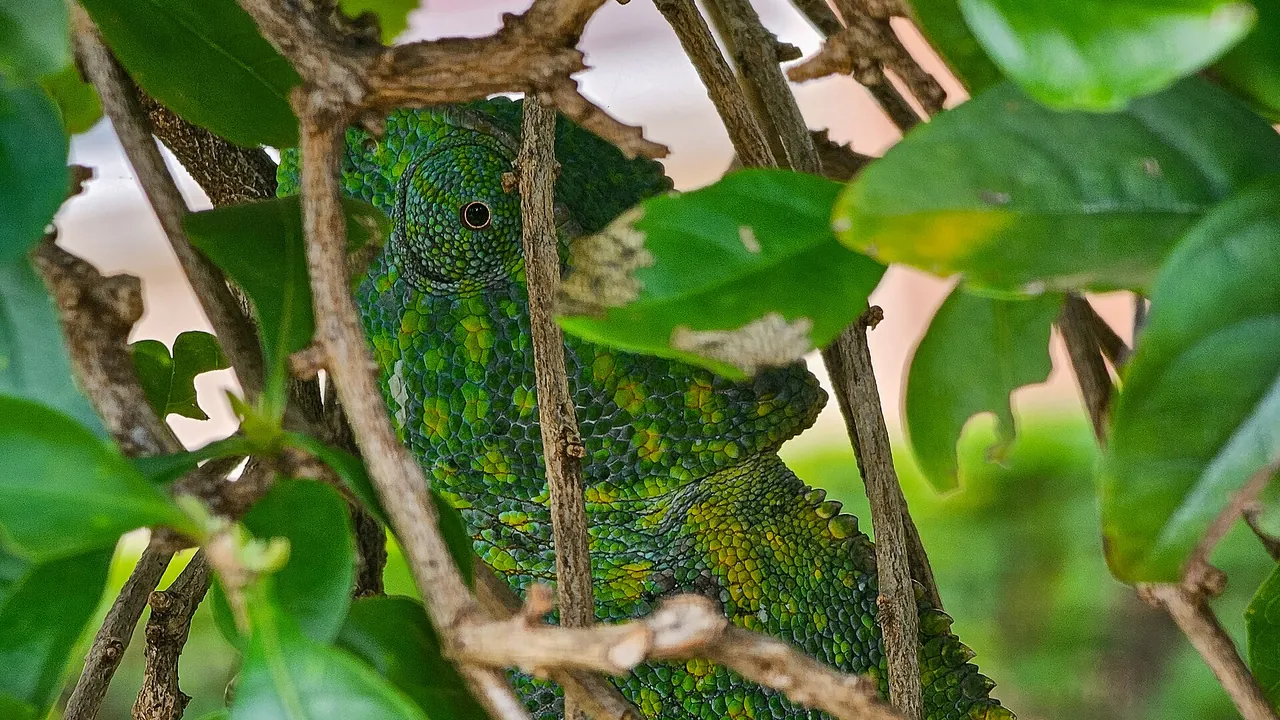
The qualities that separate a reliable hiding spot from a lucky one, and how to find yours on any map.
Introduction
Every player has a favourite corner, but favourites are not the same as reliable spots. A reliable spot works because of how the room is built: its light, its traffic and the shapes around it. This guide breaks down the five qualities that make a position trustworthy in Meccha Chameleon APK download matches, so you can evaluate any room within seconds of spawning.
You will also learn when to leave a good spot. Games are often lost by players who stayed loyal to a position after the seekers had already learned it, so repositioning is treated here as a core skill rather than a panic move. The five qualities below apply on every map in Meccha Chameleon, from the first room you ever play to the ones you will still be learning months from now.
Quality One: A Background That Matches You
The best spots sit against backgrounds whose colour and texture already resemble your character. When the wall, the props and your outline share a palette, small imperfections disappear and the seeker has to work much harder to separate you from the scenery.
Test the match from the doorway, not from inside the spot. A pairing that looks perfect from behind can fail badly from the angle where seekers actually enter, which is why the features and gameplay guide stresses checking every position from the room's entrances.
Quality Two: Low Seeker Traffic
Seekers follow habits. They sweep the centre of rooms, check obvious props and move along the routes that connect objectives. Spots that sit off those routes get fewer close inspections, and distance is safety: a seeker who never comes near cannot spot small mistakes.
Watch the first round of any match purely as research. Note where seekers actually walk, then choose your second-round spot in the quiet zones their routes leave behind.
Quality Three: A Broken Outline
Human eyes find people by finding outlines, especially heads and shoulders. A strong spot breaks your outline with foreground objects: a plant overlapping your shoulder, a crate edge crossing your silhouette, or shadows cutting across your shape. Broken outlines are far harder to detect than perfect colour matches in open view.
Corners where two different surfaces meet are natural outline breakers. The seam between wall and furniture draws the eye along itself, and a still figure sitting on that seam often reads as part of the joinery. More examples appear in the advanced tips guide.
Quality Four: A Quiet Escape Route
Grade every spot by its exit before you settle into it. If a seeker stops nearby and starts a careful scan, you need a way out that keeps objects between you and them. Crawling routes behind furniture and doorways that open away from the seeker's position are ideal.
If the only exit crosses open floor in full view, treat the spot as a short-stay position: useful early, dangerous late, when seekers have more time to stare.
Quality Five: It Still Works in Round Three
A spot that wins round one gets remembered. By round three, experienced seekers check the famous corners first. Reliable players hold two or three graded spots per map and rotate between them so no single position becomes a habit the other team can read.
Rotation also protects you from your own teammates. When three hidden players choose the same celebrated corner, the cluster itself becomes visible. Spread out, and every spot stays as quiet as it was designed to be.
When to Abandon a Spot
Leave when a seeker has scanned your area twice, when a teammate is caught nearby and the search intensifies, or when the round enters its final phase and seekers switch to checking every prop. Moving early, while you can still choose the route, is always safer than moving under direct pressure.
Abandoning well is a skill worth practising on its own. The players who survive longest are rarely the ones with the single best spot; they are the ones who leave good spots at the right moment.
Frequently Asked Questions
Background match from the seeker's angle. If your outline blends with what the seeker sees from the doorway, most other weaknesses are forgiven. Always grade a spot from the entrance, not from inside it.
Two or three graded spots per map is a strong base. Rotating between them stops seekers from learning your habits and keeps you safe when a favourite corner gets popular. On most Meccha Chameleon maps, two or three graded spots is also all you have time to learn properly.
Usually not. Late in a round, seekers check famous spots carefully. Leaving early on a quiet route is safer than waiting until the search reaches you.
Conclusion
Great hiding spots are not found by luck; they are recognised by quality. Background match, low traffic, a broken outline, an escape route and rotation safety turn any room into a set of readable choices.
Grade spots quickly, rotate between your best two or three, and leave before the search arrives. Those habits will win you more rounds than any single secret corner. That is the real secret of hiding in Meccha Chameleon: not a place, but a way of judging places.
Related Guides
Meccha Chameleon Solo Practice Guide: Train Before You Compete
Use solo practice in Meccha Chameleon to learn maps, test hiding spots and build patience before multiplayer matches. A complete Android training guide.
Meccha Chameleon Seeker Guide: How to Spot Hidden Players
Playing the seeker in Meccha Chameleon? Learn systematic room sweeps, outline reading and endgame hunting techniques that find hidden players reliably.
Meccha Chameleon Movement and Positioning Guide for Android
Move without being seen in Meccha Chameleon. Learn positioning, relocation timing, pathing behind cover and how to cross open spaces safely.